
A rushed merchandise order usually looks fine on a quote sheet and painful everywhere else – missed sizes, weak item selection, late delivery, and branding that feels off the moment boxes arrive. A strong promotional merchandise planning guide helps you avoid that. When your campaign, event, staff program, or corporate gifting run depends on branded products, planning is what protects your budget, timeline, and brand standards.
For most organizations, the challenge is not finding products. It is choosing the right mix, aligning the items to a purpose, and getting production details right before bulk manufacturing begins. That is where smart planning makes the difference between merchandise that gets used and merchandise that gets left behind.
What a promotional merchandise planning guide should solve
Promotional merchandise is often treated as the final step. In practice, it should be planned much earlier. Marketing teams need campaign alignment. HR teams need practical items employees will actually keep. Procurement teams need consistent specifications, accurate quantities, and reliable lead times. Event organizers need delivery certainty, not guesswork.
A useful plan solves four business problems at once. It clarifies why you are ordering, who the merchandise is for, what the products need to achieve, and how production will be managed. If one of those pieces is vague, the project usually becomes more expensive and less effective.
That is why the best merchandise programs are not built around novelty. They are built around use case, audience fit, and production control.
Start with purpose, not product
The first decision is not whether you want tote bags, caps, drinkware, or premium gifts. The first decision is what the merchandise needs to do.
If you are preparing for an exhibition, visibility and portability usually matter most. Lightweight items that are easy to hand out tend to perform better than premium pieces that are costly to distribute in volume. If you are planning executive gifts or client appreciation sets, perceived value matters more than unit count. If the project is for employee onboarding, daily-use items often create stronger retention than purely decorative products.
This is where many orders go off track. A product can be attractive, well made, and still wrong for the objective. A premium travel bag may be a strong branding asset for top-tier clients, but it is rarely the right choice for a mass giveaway. A low-cost item may stretch the budget further, but if it breaks quickly or feels generic, it can weaken brand perception instead of supporting it.
Purpose should narrow the field quickly. Are you trying to drive event traffic, improve team identity, support a launch, reward internal staff, or strengthen client relationships? Once the objective is clear, product selection becomes much easier.
Know your audience before you lock the item mix
A promotional merchandise planning guide is only useful if it accounts for the people receiving the products. Different audiences place value on different things, and the same item can land very differently depending on context.
Employees often prefer practical products they can use repeatedly – quality apparel, bags, drinkware, or workday essentials. Event attendees may respond better to compact, easy-to-carry items. School administrators and team coordinators usually need merchandise that balances identity, durability, and quantity. Corporate buyers planning VIP gifts often need stronger finishing, better packaging, and more premium material choices.
This is also where quantity planning becomes more realistic. If your audience is broad and attendance is uncertain, a mixed-tier strategy may be the best move. You might prepare a large-volume item for general distribution and reserve premium merchandise for targeted recipients. That approach often protects budget while still giving key stakeholders something more memorable.
Build the budget around value, not unit price alone
Low unit cost can be misleading. A cheaper product with poor usability or weak branding space may cost less upfront and perform worse overall. On the other hand, the most expensive option is not automatically the best return either.
A better approach is to think in terms of cost per meaningful impression. Will the item be used once, occasionally, or every week? Will your logo stay visible? Does the product reflect your brand standards? Will recipients keep it long enough to justify the spend?
There are trade-offs here. Apparel can deliver strong repeat visibility, but sizing adds complexity and overstock risk. Tote bags are broadly practical and easy to distribute, but quality and print execution matter a lot. Premium gifts create stronger perceived value, but they require tighter audience targeting to avoid overspending.
Budget planning should also include packaging, decoration method, freight timing, contingency quantity, and possible rework if specifications are unclear. The product cost is only one part of the project.
Choose products that fit the brand and the timeline
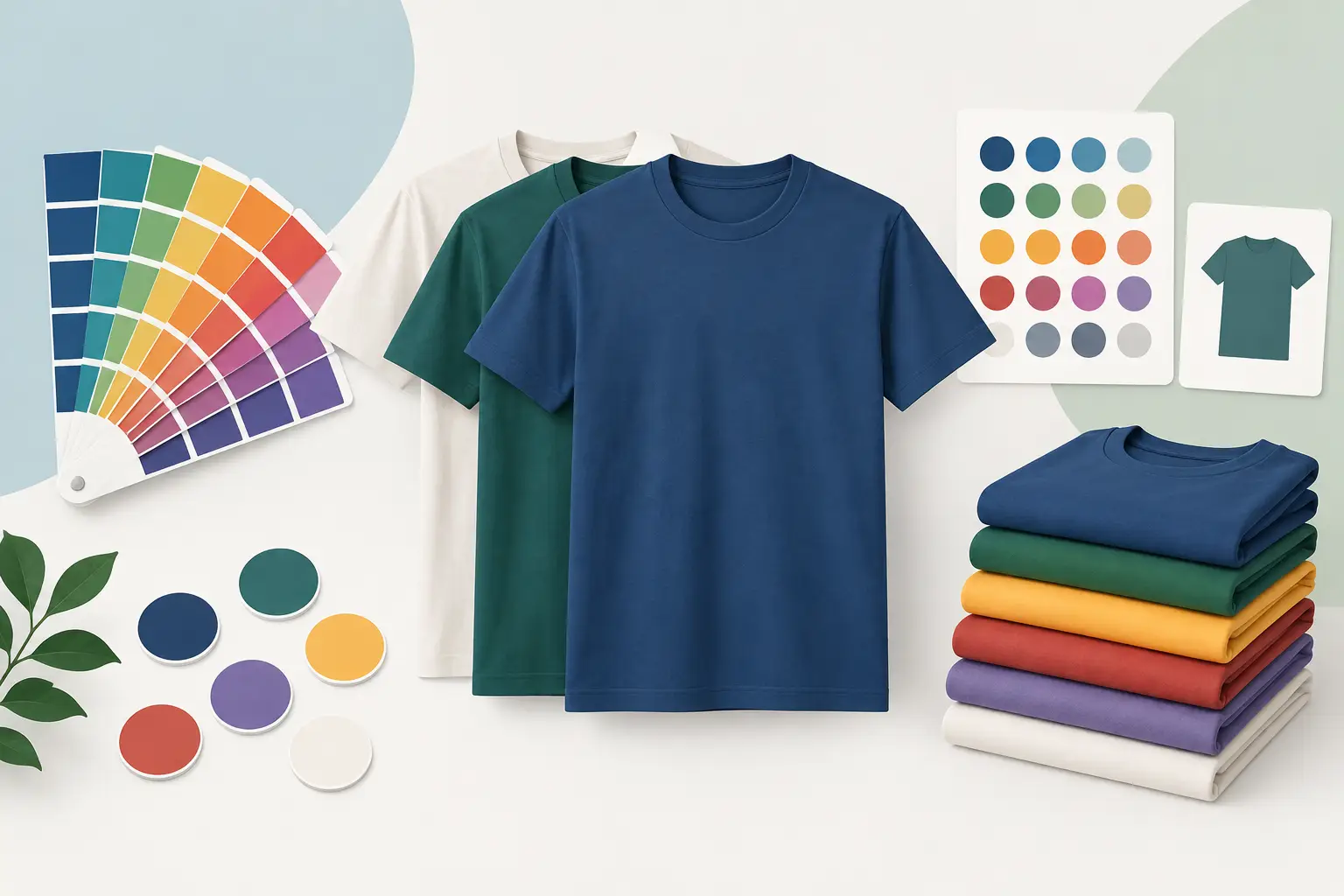
Brand fit is not just about printing a logo on a surface. The item itself sends a message. A polished corporate brand may need cleaner finishes, better material consistency, and understated branding placement. A youth-focused campaign may benefit from bolder colors and more expressive designs. A staff uniform-related order may need product coordination across shirts, caps, bags, and accessories so the entire set looks intentional.
Timeline matters just as much. Some products are simple to produce in bulk with standard decoration. Others involve more customization, more approvals, and more manufacturing steps. If you need custom dyed fabric, personalized trims, multiple print placements, or mixed sizing across several SKUs, lead time planning needs to happen early.
This is where working with a full-service production partner becomes valuable. When one supplier can manage multiple product categories and decoration methods under one process, you reduce the risk of mismatched colors, inconsistent branding, and split delivery issues. For organizations managing uniforms and merchandise together, that control matters.
Your promotional merchandise planning guide for production accuracy
Once product direction is set, the next stage is specification discipline. This is the part many buyers underestimate, and it is often where delays start.
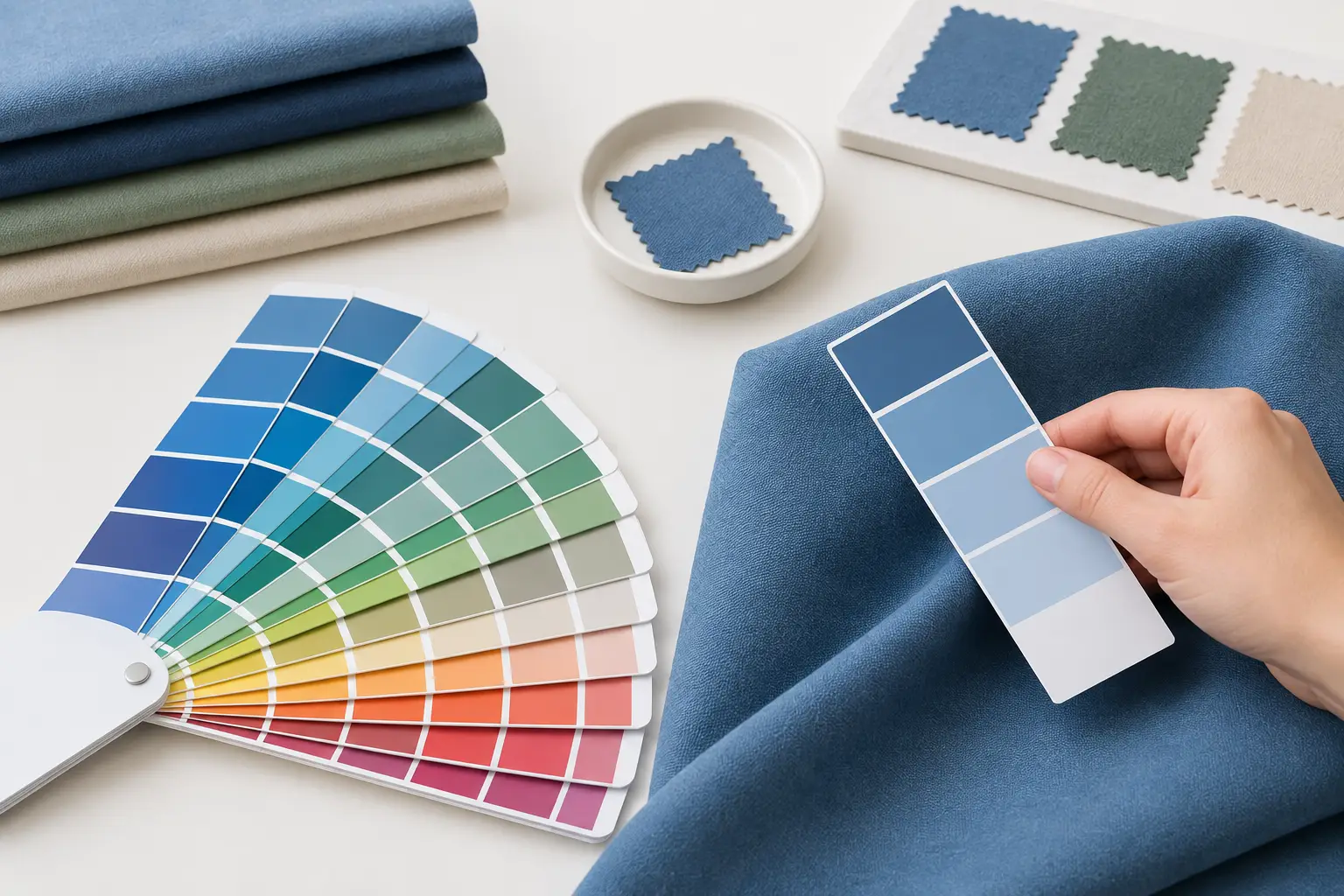
Artwork should be finalized before bulk confirmation, not adjusted halfway through production. Brand colors should be defined clearly and checked against material realities, because print color on fabric, metal, and coated surfaces can vary. Sizing plans should be based on actual distribution needs, not rough assumptions. Packaging requirements, individual labeling, and delivery breakdowns should also be confirmed early if different departments, branches, or event teams will receive separate allocations.
Approvals matter more than speed at this stage. A fast start with unclear specifications usually creates a slower finish. Good production teams will press for clarity because that is how consistent output is protected.
If your order includes apparel, decoration method should be chosen based on fabric type, design detail, quantity, and intended use. Screen printing may suit high-volume runs with bold artwork. Embroidery can add durability and a premium finish for uniforms and caps. Sublimation works well for all-over design needs on suitable fabrics. Heat transfer and direct-to-garment each have their place, but neither is automatically the right answer for every project. It depends on the product, graphic complexity, and order scale.
Plan quantities with more discipline than guesswork
Overordering creates dead stock. Underordering creates missed opportunities and expensive follow-up runs. The right quantity plan sits somewhere between ambition and evidence.
Past campaign data is the best starting point if you have it. If not, work from audience segments, distribution channels, and item type. Daily-use products usually justify slightly stronger quantities than niche items. Sized apparel needs a more careful breakdown, especially for mixed teams or public events. If your merchandise will be distributed across multiple dates or locations, phase planning may reduce waste and improve control.
It also helps to build a small contingency into high-visibility projects. A modest overage can protect you from damaged units, late attendee additions, or internal demand that appears after launch. The key is to make that buffer intentional rather than random.
Timing is part of the product strategy
Lead time is not just a logistics issue. It affects what you can order, how much you can customize, and how safely you can approve samples. If merchandise is tied to a fixed event date, campaign launch, or employee rollout, the production calendar should be built backward from the required delivery date.
That means allowing time for concept development, quotation, sample review if needed, artwork approval, manufacturing, quality checks, packing, and transport. Compressing all of that into the final week is how businesses end up compromising on product choice or decoration quality.
Reliable suppliers will tell you what is realistic. That honesty is useful. A capable production partner is not just there to say yes. They are there to help you choose an option that can actually be produced to standard and delivered on time.
Measure success after delivery
Merchandise planning should not end when the boxes arrive. The strongest buyers review what worked and what did not.
Which items moved fastest? What got repeat use? Were there sizing problems? Did recipients comment on quality? Did the product support the campaign or simply accompany it? These questions turn one order into a smarter next order.
For companies running regular staff apparel, event kits, onboarding packs, or gifting programs, this feedback loop becomes a real advantage. It improves forecasting, sharpens product selection, and reduces unnecessary spend over time.
At Green Cotton, that kind of planning matters because branded merchandise is not just a purchase. It is a visible part of how your organization presents itself. When the planning is right, the products do their job long after delivery day. Start early, specify clearly, and choose merchandise that earns its place in the hands of the people receiving it.