
A crowded trade show floor gives you only a few seconds to earn attention. The best giveaway products for trade shows do more than fill a tote bag – they start conversations, stay useful after the event, and keep your brand visible when buyers return to the office.
For most exhibitors, the real question is not whether to offer giveaways. It is which products justify the spend. A cheap item that gets tossed before the attendee reaches the next aisle is not a marketing win. A well-chosen branded product, on the other hand, can extend your message for weeks or months. That is why product selection should be tied to audience, use case, decoration quality, and order volume from the start.
What makes the best giveaway products for trade shows?
The strongest trade show giveaways usually share three traits. First, they are genuinely useful. Second, they match the value of the audience you want to attract. Third, they present your branding clearly without making the product feel disposable.
This is where many buyers lose efficiency. They focus on unit cost alone and overlook total return. A low-cost pen may still work if your event goal is broad reach and high volume. But if you are targeting procurement leads, school administrators, or corporate buyers, a more durable item often creates a better impression. The right giveaway should fit the type of conversation happening at your booth.
Practicality also matters more than novelty. People keep products that solve small problems during travel, meetings, commuting, and office work. If the item becomes part of daily use, your logo gains repeat exposure without paying for it again.
12 giveaway products that perform well
1. Tote bags
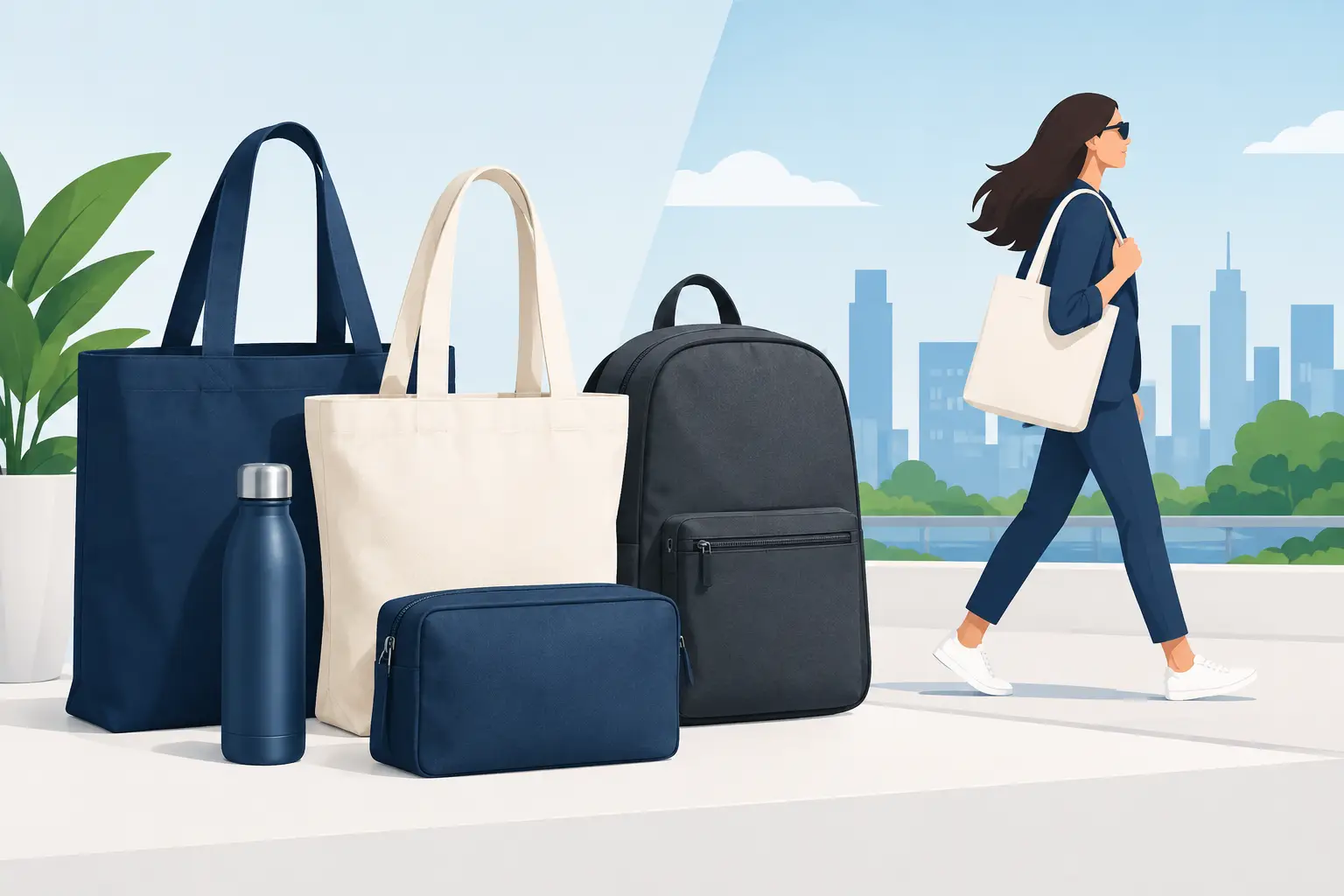
Tote bags remain one of the most dependable choices because attendees need them immediately. A well-made tote starts working on the show floor, carrying brochures, samples, and personal items. That gives your brand instant visibility across the venue.
The trade-off is quality. Thin bags tear, wrinkle badly, and signal low value. Heavier cotton or structured non-woven options feel more credible and last longer. If your booth audience includes corporate teams, schools, or event organizers, a durable tote with strong handles is usually worth the higher unit cost.
2. Custom T-shirts
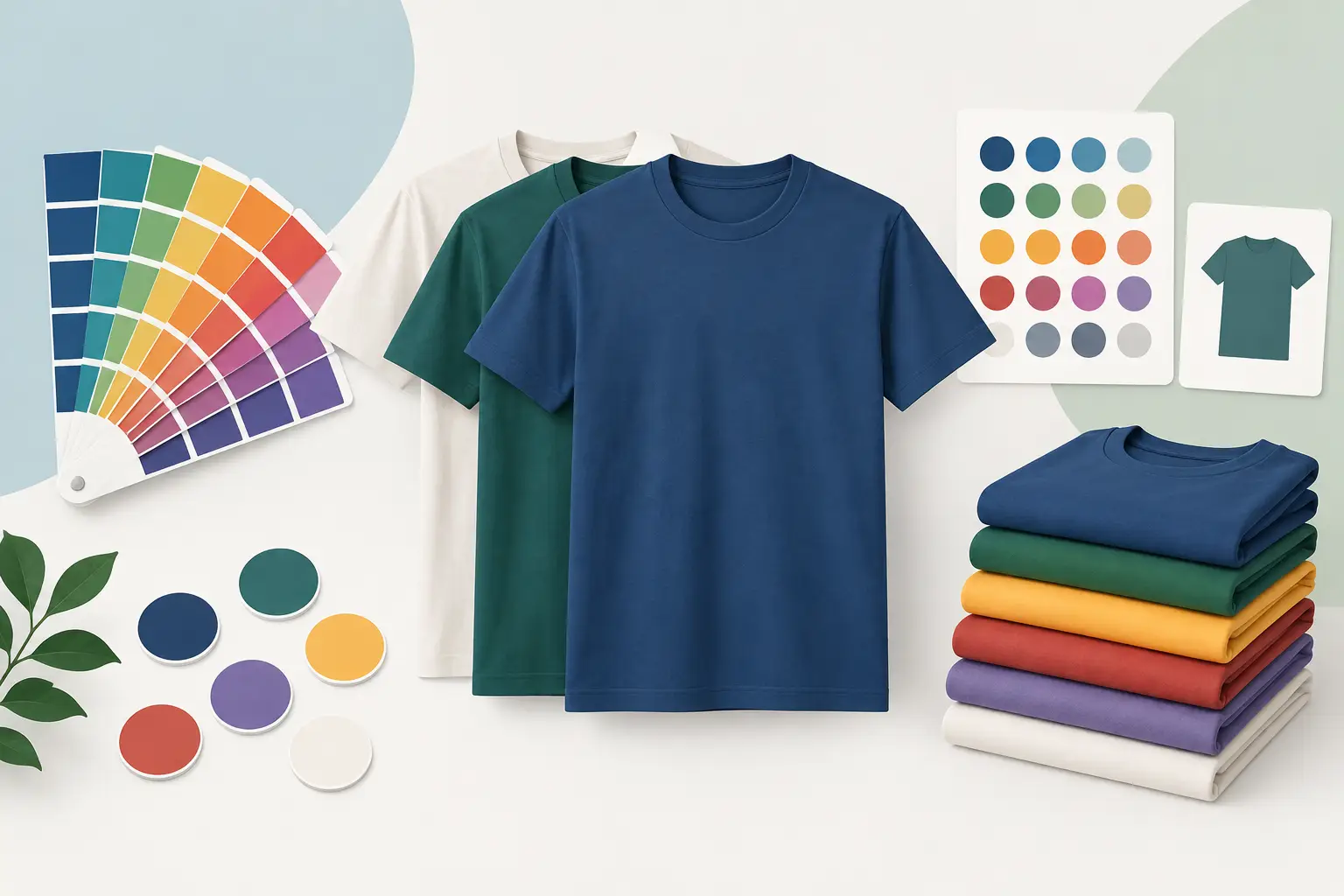
Branded T-shirts are effective when you want reach beyond the event itself. People may not wear every promo shirt they receive, but a comfortable shirt with clean design and good print quality has real staying power. It can turn a single booth interaction into repeated brand exposure.
This option works best when the apparel feels intentional rather than overloaded with logos. Fabric choice, fit, and print placement all influence whether the shirt gets worn or forgotten. For bulk programs, working with a production partner that can control sizing, decoration method, and consistency makes a significant difference.
3. Caps
Caps are visible, practical, and easy to wear during travel, outdoor events, and casual work settings. They suit brands that want a cleaner, more premium promotional look. Embroidery tends to perform especially well here because it adds texture and perceived value.
Not every audience responds the same way, though. Caps are stronger for lifestyle brands, sports-related events, field teams, and younger attendee groups than for highly formal industries. Still, when matched to the right crowd, they outperform many standard desk giveaways.
4. Reusable water bottles
A reusable bottle signals usefulness and better long-term value. Attendees can use it during the event, at the gym, in the car, or at their desk. That broad utility helps your brand stay relevant after the show.
The key is balancing quality with shipping and storage costs. Bottles are bulkier than soft goods or pens, so they are not always ideal for every event budget. But if your goal is stronger recall among qualified prospects rather than mass distribution, they are often a smart investment.
5. Notebooks
Notebooks continue to work because meetings still generate notes, to-do lists, and quick reminders. A branded notebook feels professional, especially for B2B audiences such as HR teams, procurement managers, and administrators.
Here, presentation matters. A flimsy notebook can feel generic, while a solid cover, clean branding, and useful page count create a better impression. Pairing a notebook with a pen can also turn two simple items into a more complete giveaway without moving into premium-gift pricing.
6. Pens
Pens are common because they are affordable, compact, and easy to distribute at scale. They are still one of the best giveaway products for trade shows when your objective is maximum volume and broad brand reach.
The downside is obvious: everyone gives them away. If you choose pens, focus on writing quality and appearance. A smooth pen that looks polished is more likely to stay on a desk instead of going straight into a junk drawer.
7. Lanyards and badge holders
At event-heavy venues, lanyards can be highly visible and immediately useful. They keep your branding in motion throughout the day and often remain useful for offices, schools, and future events.
This item works especially well when supplied in volume for conferences, staff teams, or organized attendee groups. It is less effective as a random handout unless the event format makes badge carrying necessary.
8. Travel bags and pouches
Compact travel pouches, zipper cases, and small branded bags appeal to attendees who travel regularly for work. They organize chargers, documents, toiletries, or accessories, which gives them practical life well beyond the trade show.
These products also create more room for premium branding. A clean logo on a functional bag often feels more like a business tool than a giveaway. For brands aiming to leave a stronger impression on decision-makers, this category is often underused and highly effective.
9. Phone accessories
Charging cables, phone stands, and card holders can perform very well because they support everyday habits. They are modern, compact, and easy to carry home. If your audience is mobile and tech-dependent, these products can beat more traditional promo items.
Compatibility and quality should be checked carefully. A phone accessory that breaks quickly reflects poorly on the brand. This is one category where cutting too much on cost can hurt more than help.
10. Hand sanitizer or wellness kits
Practical health-related items still hold value in event settings. Small sanitizer bottles, wipes, or compact wellness kits are useful on crowded show floors and during travel. They show consideration for attendee comfort, which can support a positive booth experience.
The limitation is longevity. These are consumables, so they may not keep your brand visible for long. They are strongest when paired with a second item that lasts longer.
11. Socks
Custom socks are more memorable than many standard giveaways and can feel surprisingly premium without becoming too expensive. They are useful, size-flexible, and give your brand room for more creative design.
They are not right for every industry event, but they stand out in environments where exhibitors tend to offer the same predictable products. If you want something distinctive that still feels wearable, socks are worth considering.
12. Premium gifts for qualified leads
Not every attendee should receive the same item. For top prospects, scheduled meetings, or post-demo follow-up, a higher-tier giveaway can be more effective than handing out expensive products to everyone. Premium notebooks, better drinkware, structured bags, or branded apparel can help reinforce the value of that conversation.
This tiered approach protects your budget while keeping your booth strategy focused. It also gives your team a reason to qualify traffic instead of rewarding every passerby equally.
How to choose the right product for your booth
Start with your event goal. If you need traffic, choose items that are easy to spot and easy to carry, such as totes or visible apparel. If you need lead quality, shift toward products with higher perceived value and controlled distribution.
Next, consider audience behavior. A procurement team may appreciate a professional notebook or travel pouch more than a novelty item. A school event may respond better to caps, T-shirts, and practical bags. A high-volume expo may justify pens and tote bags, while a niche conference may reward fewer, better products.
Brand presentation is another decision point. Your logo should be readable, but the item should not feel overbranded. Good customization means choosing the right decoration method for the material, whether that is screen printing, embroidery, sublimation, or heat transfer. Execution matters because giveaway quality becomes part of brand perception.
Why production quality matters more than most buyers expect
Trade show giveaways are often ordered under deadline pressure, and that is where mistakes happen. Wrong colors, inconsistent print placement, poor sizing, and delayed delivery can disrupt an event plan quickly. A product that looked good in concept can fail in production if specifications are not managed carefully.
That is why experienced buyers prefer suppliers who can support product selection, branding methods, and bulk manufacturing under one process. When apparel, bags, and merchandise are customized with clear quality control and on-time fulfillment, the event team has fewer moving parts to manage. For organizations sourcing at scale, that reliability is not a bonus. It is part of the product itself.
Green Cotton fits this model well because it supports both product variety and the technical side of customization, helping teams move from concept to finished merchandise with more control over quality and timing.
The best trade show giveaway is the one people keep
A giveaway should earn its place in someone’s bag and then in their routine. If it gets used at work, on the road, or at the next event, your brand stays in view without asking for another moment of attention. That is the standard worth buying against when you choose your next trade show product.