
A missed uniform deadline rarely starts on the production floor. It usually starts earlier – with unclear specs, late approvals, sizing gaps, or a design that looked simple until it hit manufacturing. That is why company uniform turnaround time is not just a delivery question. It is a planning question, a specification question, and a supplier capability question.
For procurement teams, HR managers, school administrators, and event organizers, timing matters because uniforms are tied to real operational dates. A new branch opening, onboarding cycle, product launch, tournament, or annual event does not move just because garments are late. If you need uniforms delivered on schedule, it helps to understand what actually drives lead time and where delays tend to appear.
What company uniform turnaround time really includes
Many buyers think turnaround time starts when they send an inquiry. In practice, production lead time usually starts only after the order is confirmed, artwork is approved, specifications are finalized, and any necessary deposits are received. Before that, a project may still be in the quotation or sampling stage.
This distinction matters. A supplier may be fast in manufacturing but still unable to ship quickly if key details are unresolved. When businesses compare timelines, they should ask a more precise question: how long is the full process from inquiry to delivery, and how long is the actual production window after approval?
For custom uniforms, the timeline can include design consultation, fabric and color selection, sizing confirmation, decoration setup, sample development if required, bulk production, quality control, packing, and dispatch. Fully custom-made garments generally take longer than ready-stock items with a simple logo application. That does not mean custom is slow by default. It means the process has more moving parts, so coordination matters more.
The biggest factors that affect company uniform turnaround time
The first factor is product type. A basic cotton T-shirt with a one-color screen print is a very different job from a multi-panel sublimated jersey, an embroidered corporate polo, or industrial workwear with reflective tape and custom trims. The more construction details involved, the more production steps are required.
The second factor is quantity. Bulk manufacturing often improves unit efficiency, but larger runs still need more planning, materials, line allocation, and quality checks. A 50-piece order and a 5,000-piece order should not be expected to move on the same schedule, especially if multiple sizes and branding placements are involved.
The third factor is decoration method. Screen printing, embroidery, sublimation, heat transfer, and direct-to-garment printing each have different setup requirements and production speeds. Screen printing is efficient for volume once artwork is prepared, but it may involve color separation and screen setup. Embroidery can deliver a premium finish, but stitch count, logo complexity, and placement all affect machine time. Sublimation works well for all-over designs and sportswear, but it is tied to cut-panel production and precise color execution.
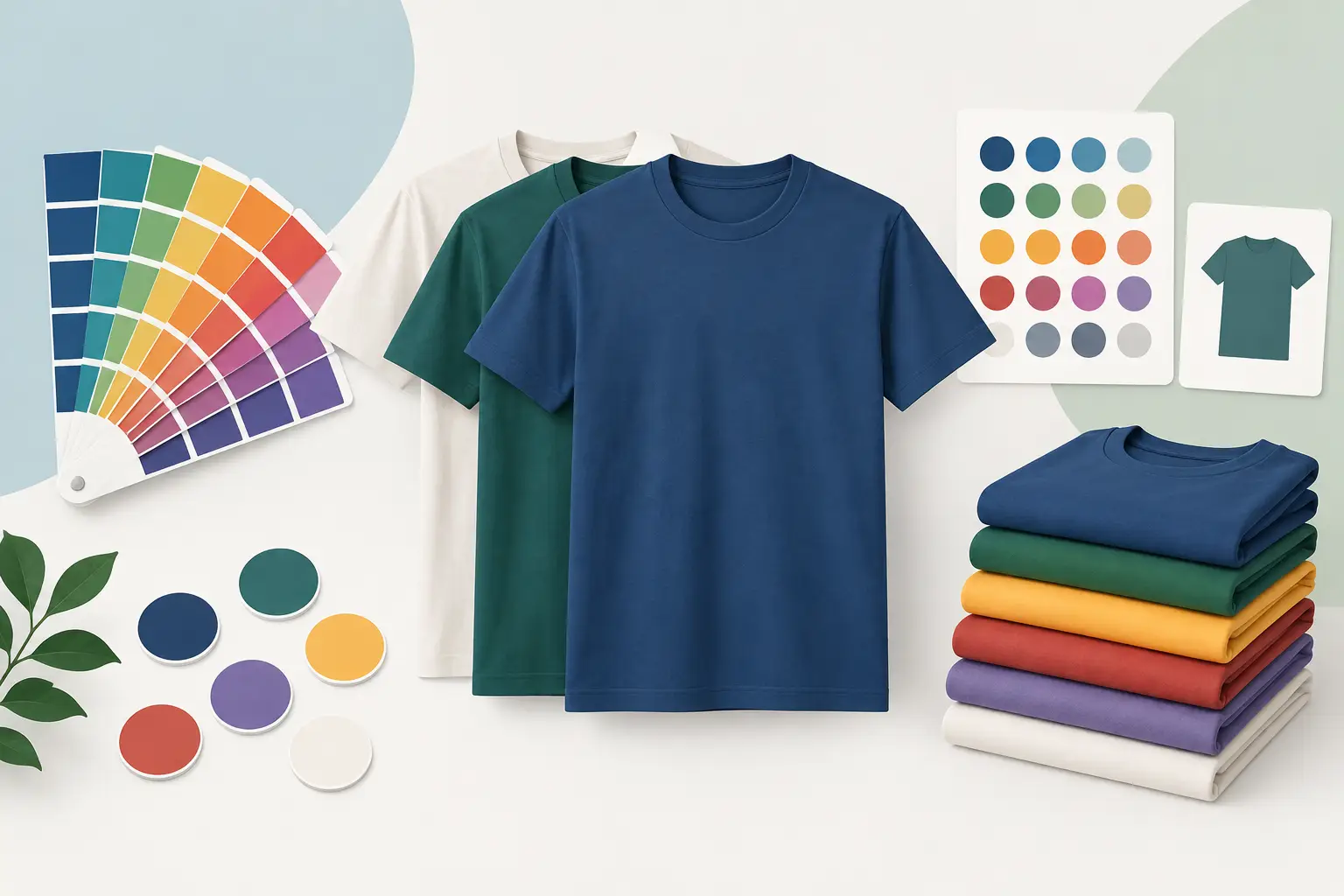
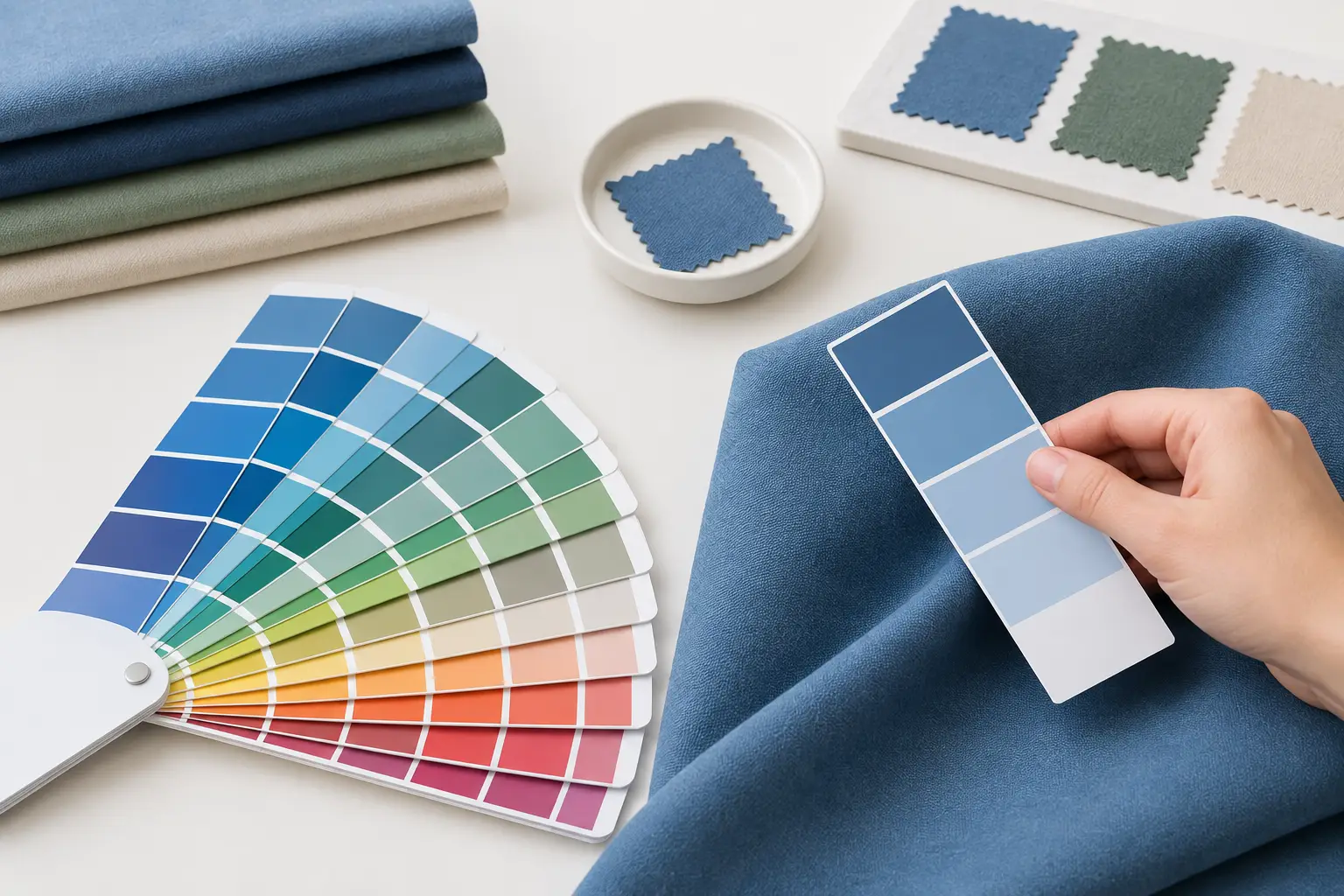
The fourth factor is material readiness. If the order uses ready-stock garments, lead times are often shorter. If the project requires custom dyed fabric, special sizing, custom accessories, or non-standard garment construction, more time is needed for sourcing, approval, and production. This is where buyers need to decide what matters most: speed, complete customization, or a balance of both.
Why approvals often cause more delay than production
In many uniform projects, the longest pauses happen before manufacturing begins. Artwork sits in review, departments disagree on logo placement, managers ask for last-minute color changes, or size breakdowns arrive incomplete. None of this shows up in the original request, but all of it affects delivery.
A clear approval chain can shorten timelines more than most buyers realize. If one person owns final sign-off on artwork, garment style, colors, and quantities, the project moves faster. If approvals are split across HR, marketing, procurement, and operations without one accountable decision-maker, the timeline usually stretches.
Sampling can also add time, although it often saves time later by reducing production errors. For branded uniforms used across multiple branches or departments, a pre-production sample is often worth it. The trade-off is simple: you add time upfront to reduce the risk of rework, disputes, or inconsistent results in bulk.
Customization depth changes the schedule
Not all “custom uniforms” are equally custom. Some orders are stock garments with a logo added. Others are built from the ground up with selected fabric weight, custom color matching, contrast panels, woven labels, name personalization, and packaging requirements. Buyers should expect these models to have different timelines.
This is why the shortest lead time is not always the best choice. If your goal is strict brand consistency across locations, a fully specified uniform program may be the right move even if it takes longer. If the priority is a fast rollout for a temporary event or campaign, a ready-stock base with efficient decoration may be the better fit.
A capable production partner should be able to explain that trade-off clearly instead of promising the same schedule for every order type. Reliable turnaround starts with honest scoping.
How to shorten company uniform turnaround time without cutting corners
The fastest projects usually begin with the best briefs. When you submit an inquiry, provide the garment type, estimated quantity, target delivery date, size ratio, logo files, branding positions, and any special requirements up front. If you already know the printing or embroidery method you prefer, include that too. The fewer assumptions a supplier has to make, the faster they can quote and plan.
It also helps to lock key decisions early. Finalize your color direction, choose one approval contact, and confirm whether you need samples before bulk production. If timing is tight, ask which garment options can meet your date instead of requesting fully open-ended customization. In many cases, a supplier can recommend practical alternatives that protect brand presentation while reducing production complexity.
Forecasting matters as well. Organizations that reorder uniforms regularly should not treat each order as a rush order. If you know you will onboard new staff quarterly or support annual events, planning ahead gives you more control over cost, stock availability, and delivery timing.
What to ask a supplier before you commit
The right question is not “How fast can you do it?” The better question is “What timeline can you commit to based on this exact specification?” A professional supplier should be able to separate estimate from commitment.
Ask whether the quoted timeline includes sampling, artwork setup, production, and delivery. Ask what could extend the timeline, such as pending approvals, stock shortages, public holidays, or design revisions. Ask how quality control is handled and whether production is managed in-house or passed between multiple parties. Speed without process control often creates expensive problems later.
You should also ask what information is needed from your side to keep the order on schedule. A supplier that understands execution will usually have a clear checklist. That is a good sign. It shows they are managing the project, not just taking the order.
Why dependable turnaround is about systems, not promises
Any supplier can say they deliver fast. What matters is whether they have the operational structure to support that claim. Consistent turnaround comes from accurate specification handling, decoration expertise, production planning, quality checks, and realistic scheduling. It also comes from being able to support different order models – from ready-stock branded apparel to fully customized uniform programs – without losing control of timelines.
This is where experience becomes visible. Teams that manage apparel production every day know which details create delays, which decoration methods fit certain deadlines, and when a buyer should choose a simpler route to stay on schedule. At Green Cotton, that execution mindset is central to the work. The goal is not to push every client into the same formula. It is to match the right production path to the client’s quantity, branding needs, and delivery date.
If you are planning a uniform order, think beyond the date you want it in hand. Start with the process needed to get there. The more precise your brief and the earlier your approvals, the more control you keep over the outcome – and that is what turns turnaround time from a risk into a managed timeline.