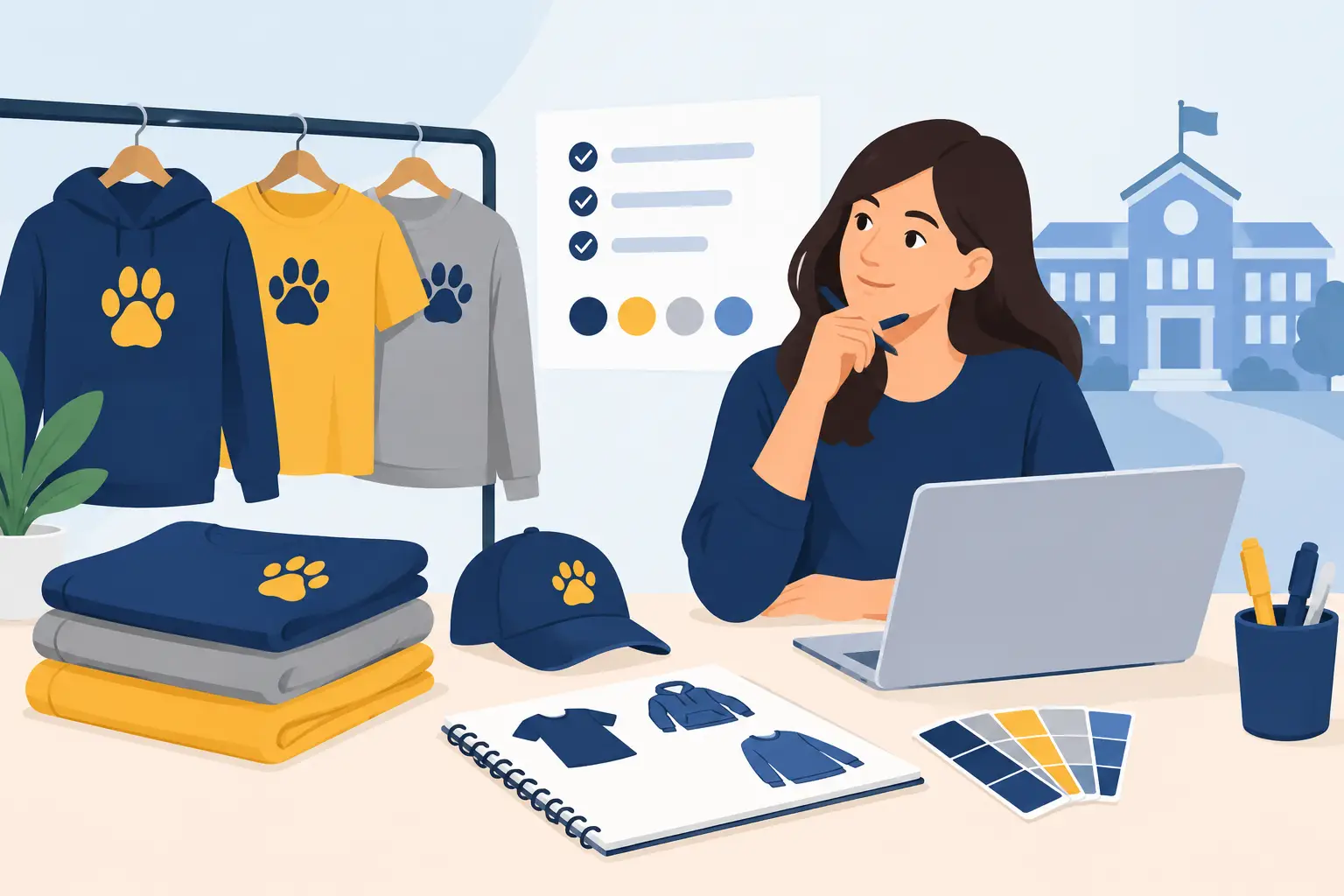

A welcome kit left on a new hire’s desk, a jacket presented after a major project, or a practical travel bag for a company retreat can say more than a generic thank-you email. The best employee gifts make people feel recognized while giving your brand a visible, useful place in their day-to-day lives.
For HR, procurement, and marketing teams, the challenge is not finding an item with a logo. It is choosing merchandise that fits the occasion, represents the organization well, and can be produced accurately for every recipient. A thoughtful gifting program balances usefulness, quality, timing, and brand consistency from the first concept through final delivery.
Start With the Moment, Not the Product
An employee gift works best when it has a clear purpose. A milestone award calls for something with more permanence than a campaign giveaway. A new-hire kit needs to help someone feel prepared and included from day one. Event gifts should be easy to carry, practical on-site, and memorable after the event ends.
Before selecting products, define what the gift needs to accomplish. Is the goal recognition, team identity, onboarding, wellness, event participation, or retention? The answer shapes everything from budget to decoration method.
For example, a custom polo or workwear piece can reinforce professional pride for customer-facing teams. A premium tote bag, travel bag, or cap may suit an off-site meeting or company outing. A personalized T-shirt can create a strong sense of unity during a volunteer day, sports event, or internal campaign. The product does not need to be extravagant. It needs to feel appropriate to the recipient’s role and the moment.
What Makes Employee Gifts Worth Keeping
Employees notice the difference between merchandise made to be distributed and merchandise made to be used. The strongest gifts earn a place in a closet, commute, gym bag, or workspace because they solve a small but real need.
Comfort matters especially for apparel. A T-shirt with a good fit, breathable fabric, and a clean decoration is much more likely to be worn outside the office. For uniforms and polos, consider the working environment, movement requirements, and wash frequency. A fabric that performs well for an indoor corporate team may not be right for a field crew or event staff working in heat.
Design matters just as much. Large logos can work for a team activity, but a more refined chest embroidery or tonal print may make a premium item feel more versatile. Think about where employees will wear or carry the gift. If the answer is beyond the workplace, choose a design they will feel comfortable using in public.
Personalization can add meaning without making fulfillment unnecessarily complicated. A name, department, event date, or achievement message can transform a standard item into a keepsake. However, individual personalization requires accurate recipient data and extra production coordination. It is a worthwhile investment for leadership awards, long-service recognition, or smaller teams, but it may not suit every large-scale order.
Match the Product to Your Team
A single gift is not always the most inclusive choice. Teams often include office staff, remote employees, frontline workers, executives, and part-time personnel with different needs. Giving everyone the same item can simplify procurement, but offering limited choices can increase satisfaction when the budget and timeline allow.
For a new-hire program, a coordinated set often performs well: a branded T-shirt or polo, a tote or travel bag, and a useful accessory. The collection should feel connected through color, logo treatment, and packaging, not like unrelated items gathered at the last minute.
For annual appreciation, consider the work experience. Employees who travel may value durable bags and comfortable apparel. Teams working shifts may appreciate quality outerwear, caps, or practical workwear. For culture-building events, custom jerseys and sublimation shirts can create a shared identity that is visible in photos and remembered long after the event.
Sizing is a critical operational detail for apparel gifts. Do not assume a standard size mix will work for every organization. Request a size guide early, collect sizes with a clear deadline, and allow for reasonable extras where possible. A well-designed garment loses its value if it does not fit the person receiving it.
Customize With Purpose
Customization is where an employee gift becomes a direct extension of your organization. It also introduces decisions that affect appearance, durability, cost, and production time.
Embroidery gives polos, caps, jackets, and bags a polished finish, particularly for corporate uniforms and recognition pieces. Screen printing is a reliable choice for bold artwork and larger quantities, especially on T-shirts and event apparel. Sublimation is ideal when the design needs full color coverage, gradients, or team-specific graphics on suitable polyester garments. Heat transfer and direct-to-garment printing can support more detailed artwork or lower-volume designs, depending on the fabric and order requirements.
The best method depends on the item, artwork, quantity, and expected use. A detailed graphic may not translate well into small embroidery, while a heavily printed design might be unnecessary for a premium executive gift. Share your intended use with the production team so the decoration method supports the product rather than competing with it.
Color consistency deserves early attention. Brand colors can shift across fabrics and print processes, particularly when an order includes apparel, bags, and accessories. Provide approved color references and review artwork before production. If custom-dyed fabric is needed for a specific identity or campaign, build additional lead time into the schedule.
Plan Bulk Orders Like a Production Project
Employee gifting becomes difficult when decisions are delayed until the event is only weeks away. The most dependable results come from treating the order as a production plan, not a last-minute purchase.
Start by confirming recipient numbers, product choices, sizes, artwork, delivery location, and in-hands date. Then allow time for sampling or artwork approval, especially for a new design, a new fabric, or a multi-item gift set. The earlier a team identifies potential issues, the easier they are to correct without compromising the deadline.
A practical order brief should cover these five areas:
- Recipient count, size breakdown, and allowance for extras
- Product specifications, including fabric, color, and required features
- Logo files, placement, decoration method, and personalization details
- Packaging, sorting, and delivery requirements
- Approval milestones and the final date the gifts must be in hand
This level of detail protects both the buyer and the production partner. It reduces avoidable changes, helps maintain specification accuracy, and makes it easier to coordinate quality checks across a larger order.
Budget should be considered as a total program cost, not simply a per-item price. Decoration, individual names, packaging, multiple delivery points, and rush requirements can all change the final investment. A lower-cost product can become expensive if it requires complicated handling. On the other hand, spending more on a durable, well-finished item may deliver better value when employees use it repeatedly.
Avoid the Common Gifting Mistakes
The first mistake is selecting an item only because it is popular. Trends can inspire ideas, but your employees’ work habits should make the final decision. The second is overloading the design. A gift should promote your identity without feeling like a billboard.
Another common issue is underestimating logistics. Remote teams, individual names, size collection, and event deadlines each add coordination. Clear ownership inside your organization is essential. Assign one person to confirm approvals and one source of truth for recipient data.
Finally, do not treat quality control as an afterthought. Confirm garment measurements, print placement, thread colors, bag construction, and packaging expectations before full production. For repeat programs, document the approved specifications so future orders stay consistent even when internal stakeholders change.
Make Recognition Feel Like Your Brand
Employee appreciation is strongest when it is visible, useful, and delivered with care. The product is only one part of the experience. A short message from leadership, a presentation during an event, or a welcome note in a new-hire kit gives the gift context and makes recognition feel intentional.
Green Cotton helps organizations turn these details into coordinated apparel and merchandise programs, from product selection and decoration planning to bulk production and delivery. Whether the order calls for polished corporate polos, custom teamwear, durable bags, or premium gift sets, the objective stays the same: deliver something employees will be proud to receive and happy to use.
Choose gifts that respect your team’s time, reflect the standard of your brand, and arrive ready for the moment they are meant to celebrate.